Navigating Loyalty Progressions Across Mobile Spin and Table Game Platforms
Petra Braun · Oct 25, 2026
Navigating Loyalty Progressions Across Mobile Spin and Table Game Platforms
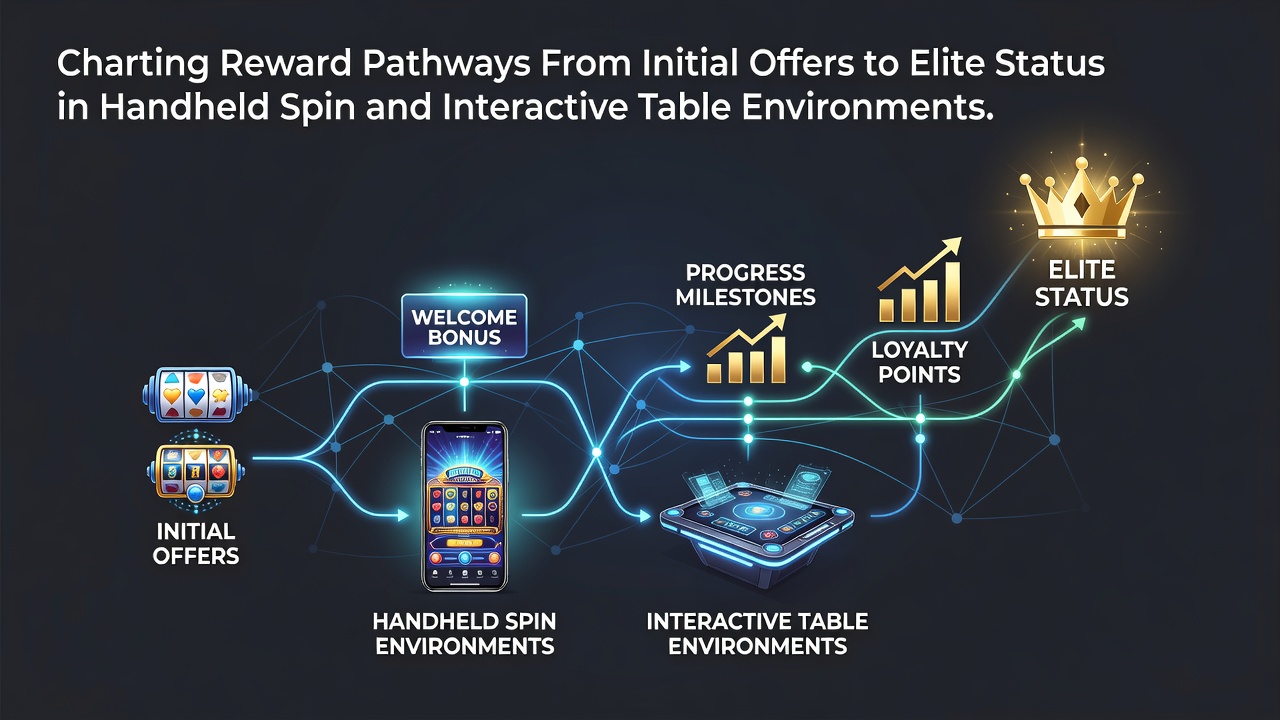
Players encounter structured reward systems when they first engage with handheld spin mechanics and interactive table environments on mobile devices, where initial signup incentives serve as entry points that gradually unlock layered benefits through consistent activity, and data from regulatory filings show these pathways rely on tracked metrics such as wager volume and session frequency to determine advancement.
Entry-Level Incentives and Onboarding Mechanics
Operators deploy welcome packages that combine deposit matches with free spins on slot titles or bonus credits for table games like blackjack and roulette, while tracking systems log every interaction from the moment an account activates, and figures from the iGaming Ontario annual summary reveal that conversion rates from these offers into sustained play average around 35 percent across major platforms in 2025.
Users receive tiered notifications that highlight progress toward the next reward threshold, and these alerts often tie directly to specific game categories, so a player accumulating points through reel spins might unlock table game rebates faster than one focused solely on one format, and this segmentation helps maintain balanced engagement across the app ecosystem.
Building Momentum Through Mid-Tier Advancements
After initial offers expire, players transition into accumulation phases where points convert into cashback percentages or accelerated progress bars, and industry reports from the Canadian Gaming Association indicate that mobile users who engage with both spin and table options reach mid-tier status roughly 40 percent quicker than those who stick to a single category.
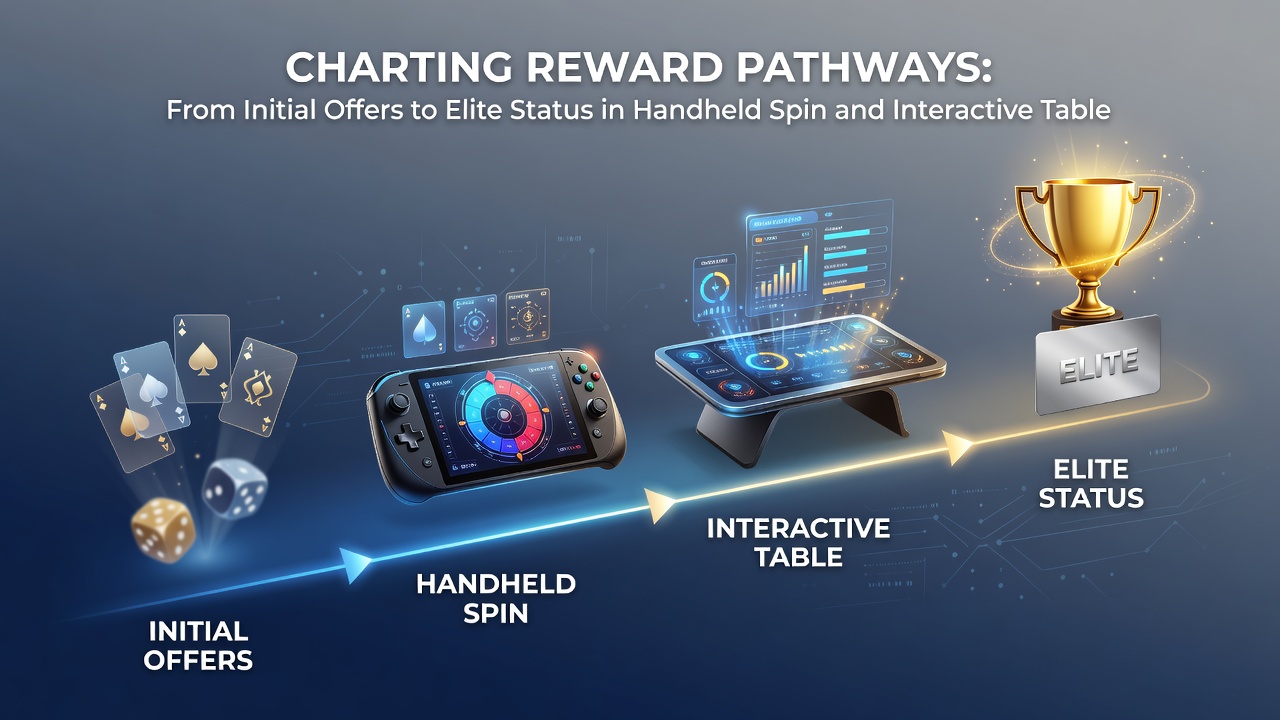
Point multipliers activate during promotional windows, such as weekend challenges or seasonal events, and these temporary boosts can shift a user several levels forward in a single session when combined with daily login streaks, while algorithms adjust reward visibility based on individual play patterns to encourage broader exploration of available titles.
Case examples from platform analytics demonstrate that players who redeem mid-tier benefits like free table game rounds tend to increase their overall session length by measurable margins, and operators refine these incentives using aggregated data rather than individual targeting to comply with privacy standards.
Reaching Elite Status and Associated Privileges
Elite tiers emerge once cumulative activity crosses predefined thresholds, granting access to dedicated account managers, higher withdrawal limits, and exclusive event invitations, and observers tracking developments ahead of October 2026 note that several operators plan to introduce cross-platform loyalty synchronization that will carry progress from handheld apps into land-based venues where regulations permit.
Research compiled by the University of Nevada's International Gaming Institute shows that elite members generate disproportionate revenue shares, often exceeding 60 percent of total platform income despite representing under 10 percent of the user base, and this concentration drives continued investment in personalized reward structures.
Benefits at this level frequently include priority access to new game releases and customized bonus structures that scale with lifetime value metrics, while regulatory bodies in regions such as Australia require transparent disclosure of these tier requirements to prevent misleading claims about advancement speed.
Conclusion
Pathways from entry offers to elite status in these environments depend on transparent tracking, segmented incentives, and data-driven adjustments that respond to collective user behavior, and as platforms prepare for the regulatory shifts projected around October 2026, operators continue refining these systems to balance player retention with compliance obligations across multiple jurisdictions.